
Larry Page: The Visionary's Ascent Past Larry Ellison
The Dawn of the Page Era: From Search to Second Richest
Friends, colleagues, fellow dreamers! Today, we’re not just talking about numbers; we're talking about a shift in the very fabric of our reality. Larry Page, the mind behind the search engine that reshaped the world, has surpassed Larry Ellison to become the world's second-richest person. I mean, wow. It's a milestone, yes, but what does it mean? That's the question that's been buzzing in my head, and I want to share my perspective with you.
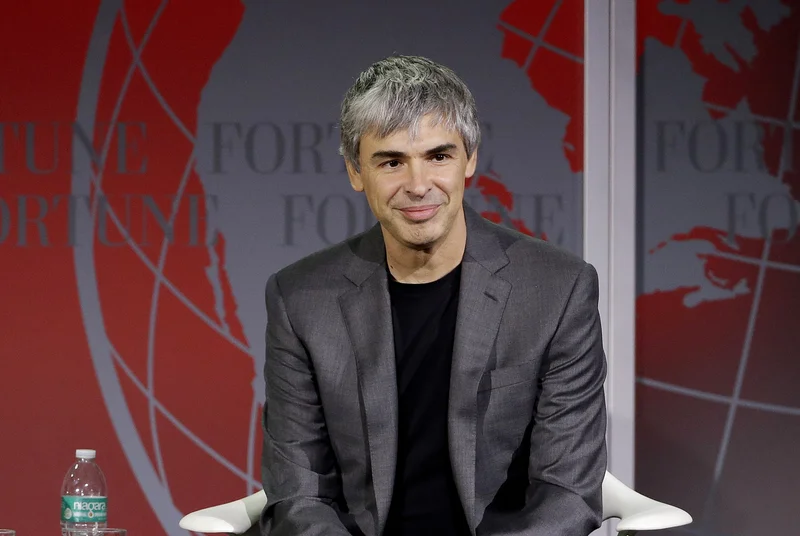
The rise of Larry Page isn't just a story of financial success; it's a testament to the power of innovation, the audacity of vision, and the relentless pursuit of a better future. We're talking about someone who, along with Sergey Brin, turned a Stanford dorm room project into a global phenomenon. Their net worth combined is staggering – and it all started with a search bar. Now, Page’s net worth has jumped to an estimated $272 billion, rocketing past Ellison, and even surpassing Brin’s own $254 billion. Not bad for two guys who just wanted to organize the world's information, right? Larry Page Passes Larry Ellison Becoming World’s Second-Richest
Alphabet's stock is soaring, fueled by the promise of AI, specifically Google’s Gemini 3 model. One report even mentioned Meta Platforms potentially spending billions on Google’s AI chips! Even Salesforce CEO Marc Benioff is cheering from the sidelines, praising Gemini’s performance! When a rival CEO hypes your product for free, markets tend to notice (and buy). But here's the kicker: this isn't just about a smarter chatbot. This is about Google leading the charge into a new era of artificial intelligence, an era where machines augment our abilities, solve complex problems, and unlock possibilities we can scarcely imagine. This rally isn’t just about the stock price; it’s about the world recognizing that Google is, once again, at the forefront.
Think about it: Google started as a way to navigate the internet, to find answers in a sea of information. Now, it's building the tools that will shape the future, from AI-powered assistants to self-driving cars to… well, who knows what else? The possibilities are endless, and that’s what's so exciting. It's like the invention of the printing press – that single innovation democratized knowledge and ignited the Renaissance. Could AI, spearheaded by companies like Google, trigger a similar explosion of creativity and progress? I think so.
But let’s not get carried away without a moment of ethical consideration. With great power comes great responsibility. As AI becomes more integrated into our lives, we need to ensure it's used for good, that it's fair, transparent, and benefits all of humanity. It's a challenge, no doubt, but one we must face head-on. What safeguards can we put in place to ensure AI serves humanity, rather than the other way around?
The Future is Being Written Now
So, what’s the “Big Idea” here? It's not just about Larry Page's bank account swelling or Alphabet's stock price hitting record highs. It's about the tangible future that AI is building. He vacated the CEO office in 2019, but continues to remain a stakeholder at the company, which explains the meteoric surge in his wealth.
It's about the potential for AI to revolutionize healthcare, education, and energy; to solve climate change, cure diseases, and create a more equitable world. This isn't some far-off fantasy; it's happening now, and the pace of innovation is only accelerating. The speed of this is just staggering—it means the gap between today and tomorrow is closing faster than we can even comprehend.