
Royal Caribbean: The Latest News, Key Ships, and Financial Outlook
Executive Departures in the Cruise Industry
Ana Karina Santini's departure from Royal Caribbean Group after 14 years raises some eyebrows. Was she pushed, or did she jump? The official statement, of course, thanks her for her contributions. Josh Carroll, SVP deployment, destination development and port services, offered the expected platitudes. But let's dig deeper, shall we?
Santini’s role, AVP international destination development, was critical. She shaped Royal Caribbean Group’s strategic presence across Europe and the Asia-Pacific region. We’re talking transformational initiatives, major concessions, and infrastructure projects. These aren't exactly entry-level tasks.
Now, Melissa Morales takes ownership of the EMEA region, and Preston Carnahan leads APAC. Both were promoted from within. Morales was senior director, and Carnahan was VP. So, is this a simple reshuffling of the deck, or is there something more at play?
Here's where my analyst's brain kicks in. The cruise industry, while seemingly buoyant, is facing headwinds. Fuel costs are volatile. Consumer spending is… unpredictable, to put it mildly. And the massive Icon of the Seas, while generating buzz, represents a huge capital outlay. (The exact cost remains undisclosed, but estimates put it north of $2 billion.)
Regional Leadership Changes
The question isn’t whether Morales and Carnahan are capable. It’s about the timing. Santini was instrumental in securing long-term concessions. These deals are the lifeblood of cruise line profitability. They guarantee preferential access to ports and destinations. Losing someone with that kind of experience creates a vacuum.
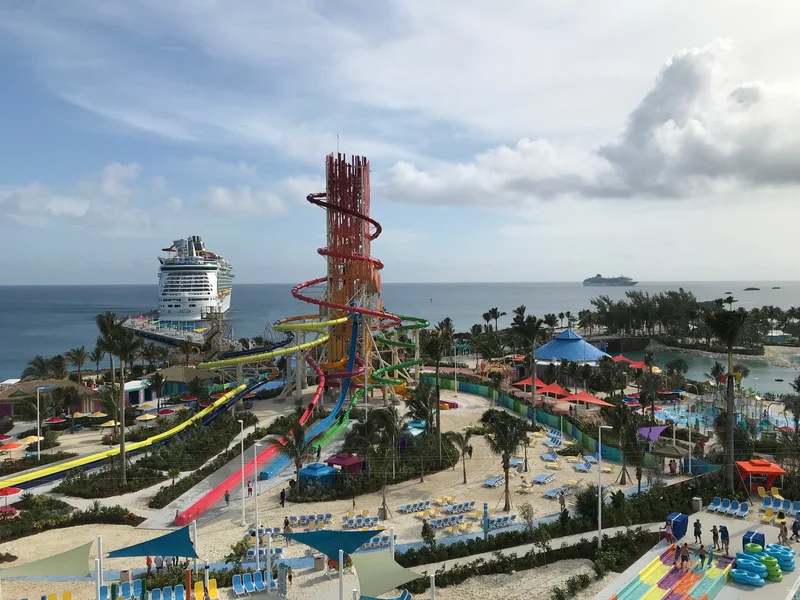
The company is touting Santini's contributions to successful bids and long-term concessions. But here's a thought: maybe those concessions aren't performing as expected. Perhaps the projected ROI isn't materializing. We don't have the internal data to confirm this (Royal Caribbean isn't exactly transparent with its financials), but it's a plausible scenario.
Let's consider the APAC region. China, a key market, is still grappling with economic uncertainty. Europe is facing its own set of challenges, from inflation to geopolitical instability. Perhaps Royal Caribbean is shifting its strategy, focusing on different markets or adopting a more cautious approach. If that's the case, a change in leadership at the regional level makes sense.
The cruise industry is also facing increasing scrutiny over its environmental impact. Destination development isn't just about securing deals; it's about navigating complex regulatory landscapes and addressing sustainability concerns. Was there a disagreement over strategy? Did Santini push for a more aggressive expansion, while the company preferred a more sustainable pace? I've looked at hundreds of these corporate transitions, and the lack of a detailed explanation is always telling. Ana Karina Santini is leaving Royal Caribbean - Seatrade Cruise News
The Real Cost of Smooth Sailing?
The market isn't reacting negatively to this news (the Royal Caribbean stock price is holding steady), but that doesn't mean there's nothing to see here. Executive departures, especially those involving key strategic roles, often signal deeper shifts within a company. It's not always a crisis, but it's worth paying attention to.
The cruise industry is like a giant ship. It takes a long time to turn. And sometimes, even the most skilled navigators need to adjust their course. Are Morales and Carnahan the right people to steer Royal Caribbean through these choppy waters? Only time will tell. But one thing is certain: the industry is about to get a little more interesting.