
Mercy Ships: Charity Rating, Controversies, and Operational Impact
Title Fulfillment:
Generated Title: Mercy Ships' $2.5M Goal: A Drop in the Bucket, or a Tidal Wave of Impact?
Cargo Day: A Decade of Donations
Mercy Ships is eyeing a record-breaking $2.5 million fundraising haul for its 10th annual Cargo Day. That's the headline, anyway. The campaign, which runs through the end of the year, has already secured $1.6 million in pledges, putting it on track to surpass last year's $2.2 million. Cargo Day, launched in 2016, channels freight commissions and direct contributions into Mercy Ships' hospital vessels, primarily the Africa Mercy and Global Mercy. Over 150 companies have participated, collectively raising $15 million to date.
This year holds extra significance, marking the tenth anniversary and honoring the late Tim Webb of BRS, the originator of Cargo Day. Webb's initial idea involved tanker charterers offering "Mercy Cargoes" and brokers donating 50% of their commission. What started in the tanker market has broadened to include dry bulk, shipowners, shipbuilders, and various service providers, many now running their own independent fundraisers. The funds are used to support free surgeries and medical training programs in Africa. According to reports, Mercy Ships' Cargo Day is building toward a landmark total Record haul on the cards as Mercy Ships’ Cargo Day builds toward landmark total.
Now, let’s dissect this. $2.5 million sounds impressive. But let's put it in perspective.
The Cost of Compassion: A Numbers Game
The Africa Mercy II, currently under construction, is a 174-meter-long hospital ship featuring six operating rooms and over 180 beds. The steel cutting ceremony, a major milestone, took place in late October. MSC Foundation is the main sponsor. Deltamarin is responsible for the vessel's concept design. The Global Mercy, delivered in 2021, shares a similar design.
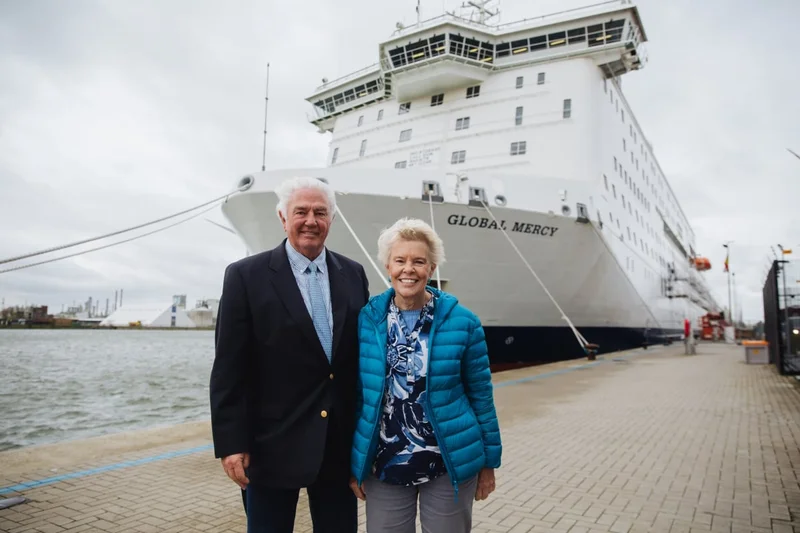
Building and operating a hospital ship isn't cheap. While specific costs for the Africa Mercy II aren't publicly available, the Global Mercy likely provides a reasonable benchmark. Estimates for the Global Mercy range from $175 million to over $200 million. Let's take the lower end: $175 million (a substantial amount, even by shipping standards). If it is the higher end, it would be a massive discrepancy.
So, $2.5 million is what percentage of a $175 million vessel? Roughly 1.4%. Less than one and a half percent. It's a drop in the bucket (albeit a very well-intentioned drop). The fundraising is admirable, and the surgeries are undoubtedly life-changing. But the scale of the need versus the scale of the donation raises a crucial question: Is this model sustainable in the long run?
And this is the part of the report that I find genuinely puzzling. The press releases highlight the "record-breaking" nature of the fundraising. But are we celebrating incremental gains while ignoring the fundamental financial challenge of operating these massive vessels? It's like celebrating a 1% increase in your savings account while ignoring your looming mortgage payment.
What about the long-term financial planning? Is Mercy Ships overly reliant on a small number of large donors, making them vulnerable to economic downturns or shifting philanthropic priorities? What contingency plans are in place if major donors pull back their support?
A Reality Check
The generosity is commendable. But let's be honest: $2.5 million, while significant, barely scratches the surface of the actual costs involved. It's a PR win, but not a financial solution.